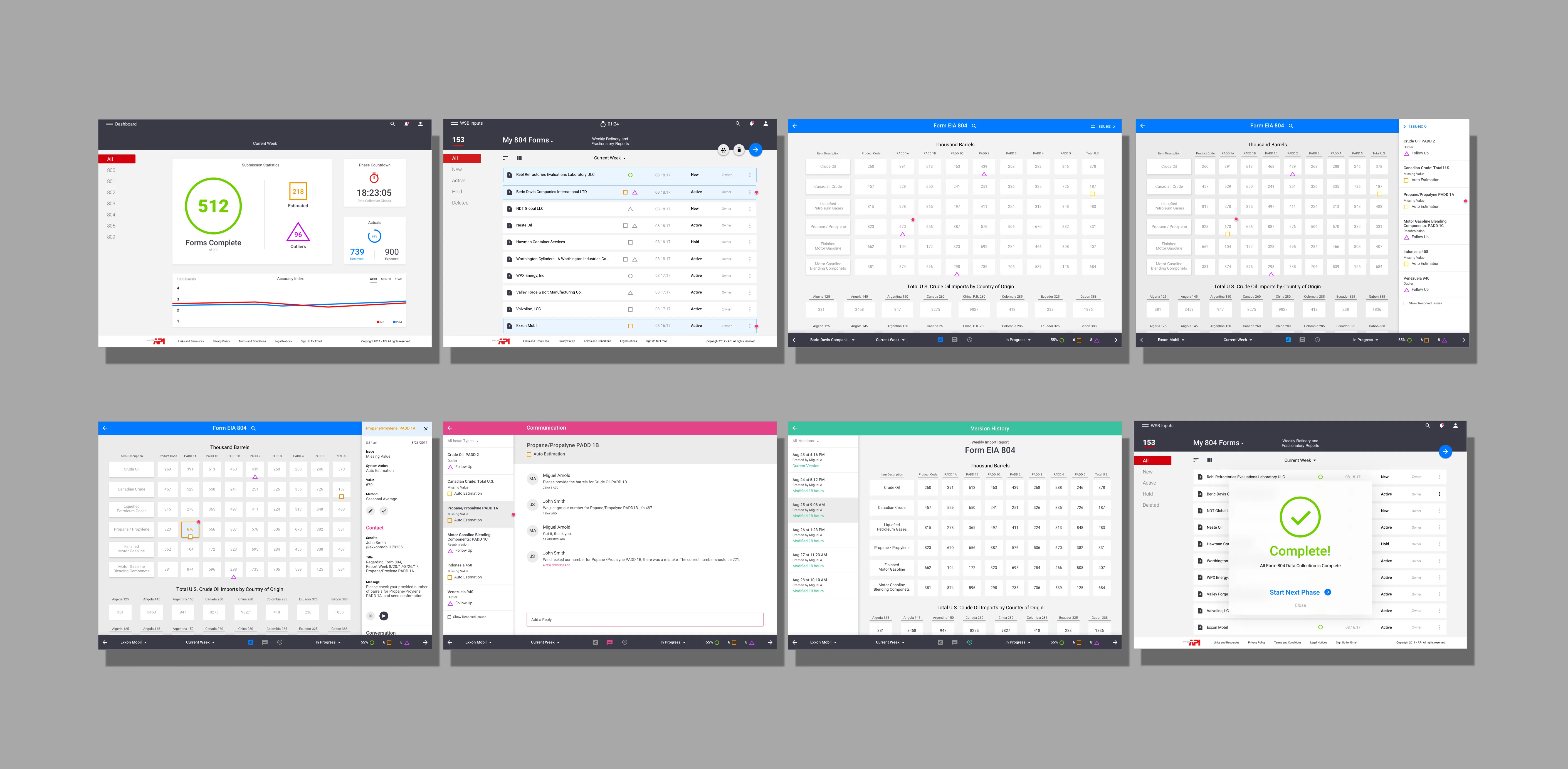
American Petroleum Institute Weekly Statistical Bulletin (WSB) Redesign
Machine Learning-Powered Data Processing
Overview
The American Petroleum Institute (API) is the only national trade association representing all facets of the oil and natural gas industry. API collects, maintains and publishes statistics and data on all aspects of U.S. industry operations. API’s Weekly Statistical Bulletin provides timely indicators of industry trends and is the most recognized publication, widely reported by the media. MetroStar systems was pursuing the opportunity to redesign the data collection and processing systems behind API’s Weekly Statistical Bulletin. Within an extremely tight deadline and a relatively complex subject domain, we created an innovative interface for the data review and validation workflow.
Project Goal
- Use innovative technical solution (MS Cognitive Services) to build a new, more intelligent, and flexible and fault tolerant system.
- Create the interface of data form review and validation process after machine learning has done the first round of data processing.
My Role
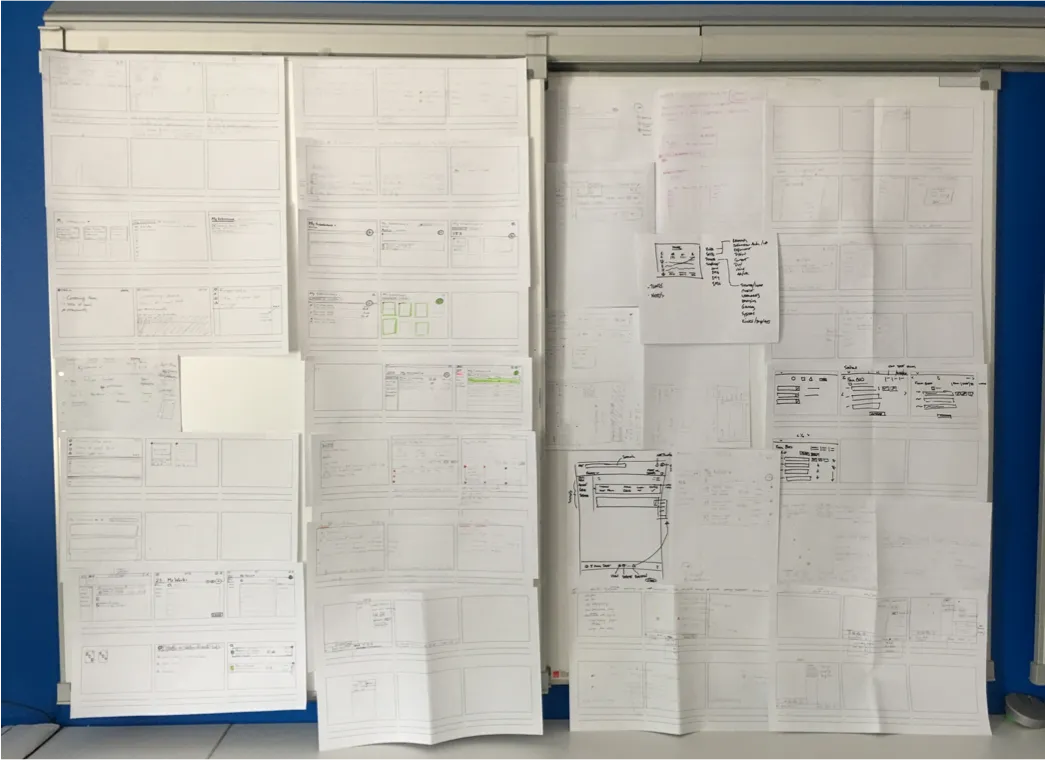
Together with two other designers on the team, we went through a short but intensive discovery phase and several rounds of ideation sessions. We iterated through more than a hundred concepts on paper sketches.
Skill/Tool Used
- Task Analysis
- Design Studio
- Understanding of the principles of statistical analysis such as data cleaning, missing value, survey methodology, etc.
- Wireframing
- Visual Design
- Sketch
- Craft
- Invision
Discovery
Due to the nature of this project, we didn’t have access to the subject matter experts or the user of the system we are building for. What we’ve been given are several long and text-heavy PDFs describing the current process of the data collection, review, validation, estimation and distribution. It is a rather lengthy, highly manual and error-prone process. Because of that, WSB analysts spend the majority of their time on the administrative aspects of the process including the collection, review and validation and manipulation of the data, rather than on the more valuable analysis and reporting functions.
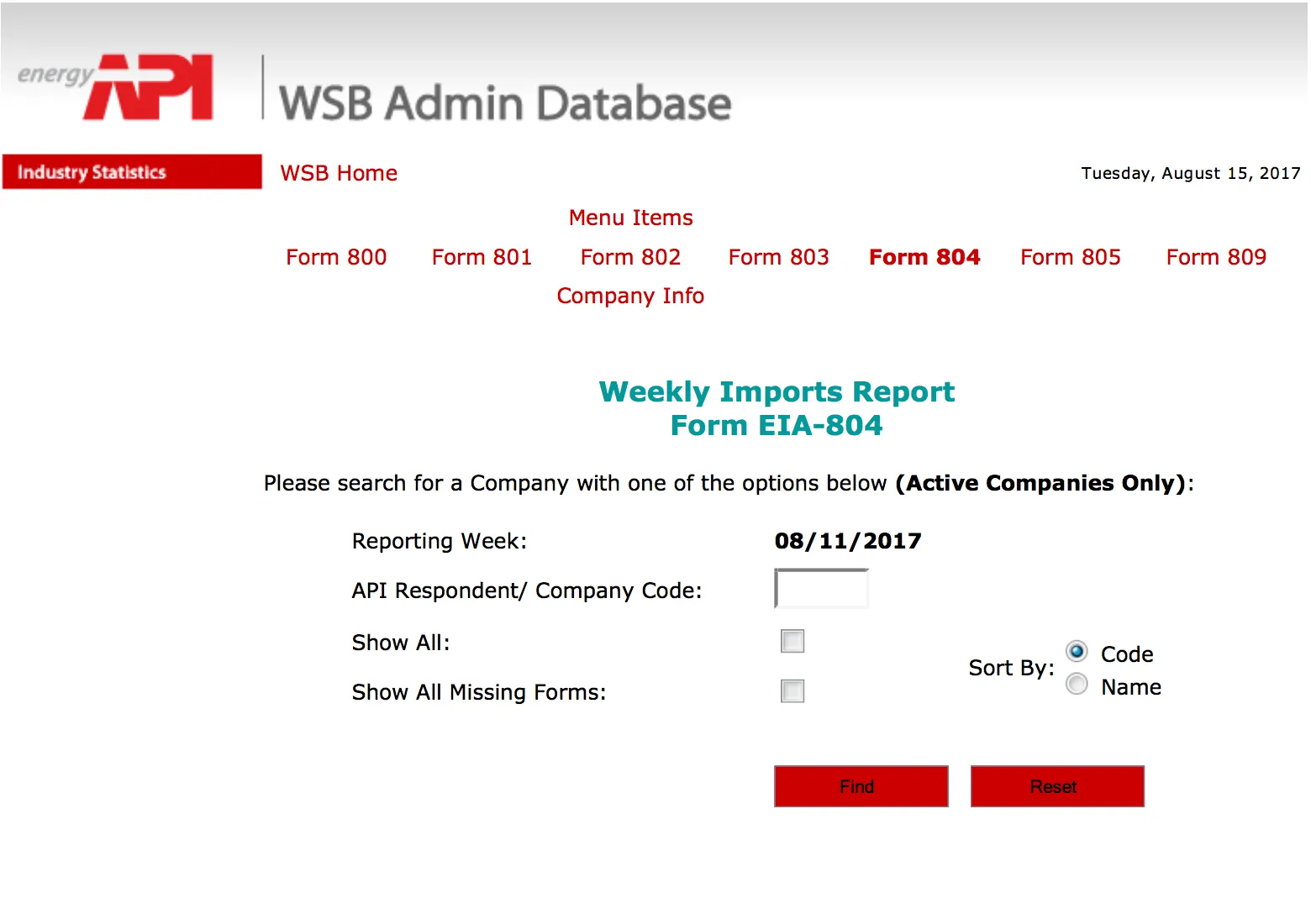
The day before the proposal submission deadline, we received the screenshots of the current system’s interface.
Screenshot of current WSB interface
Current Pain Points
Design Challenges
- Complex processes and domain knowledge
- Extremely short turnaround time (less than a week)
Research
- Document Research Reviewed hundreds of pages of PDF, which describes how the current data processing system works, including details of their statistical analysis like how they treat missing data, etc.
Outcome
In a collaborative, structured and efficient manner, in a few days, we were able to create this novel and much more elegant approaches in solving this redesign challenge. We iterated through more than a hundred concepts on paper sketches.
Hand sketches
New Design Interface Wireframe and Annotation
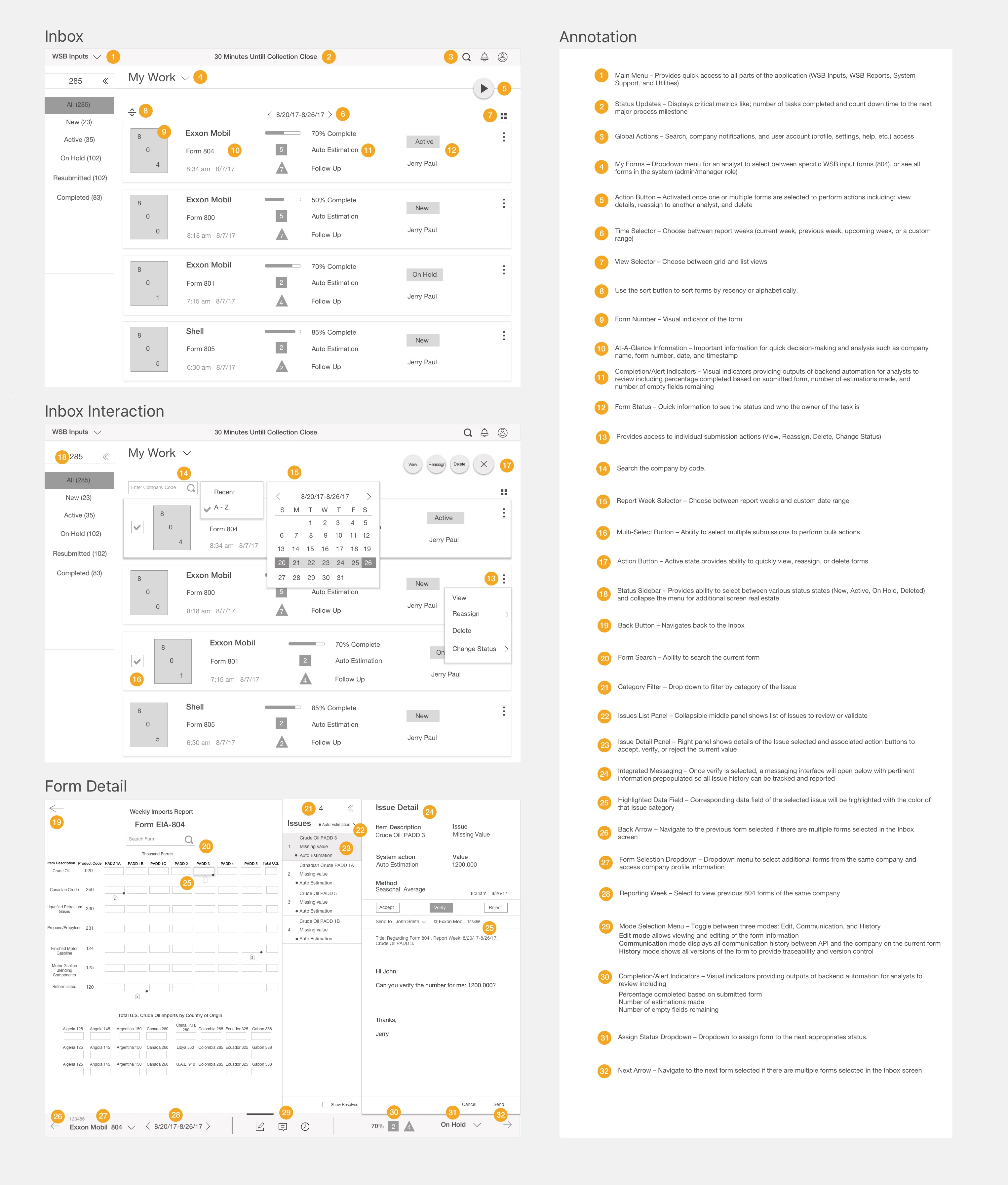
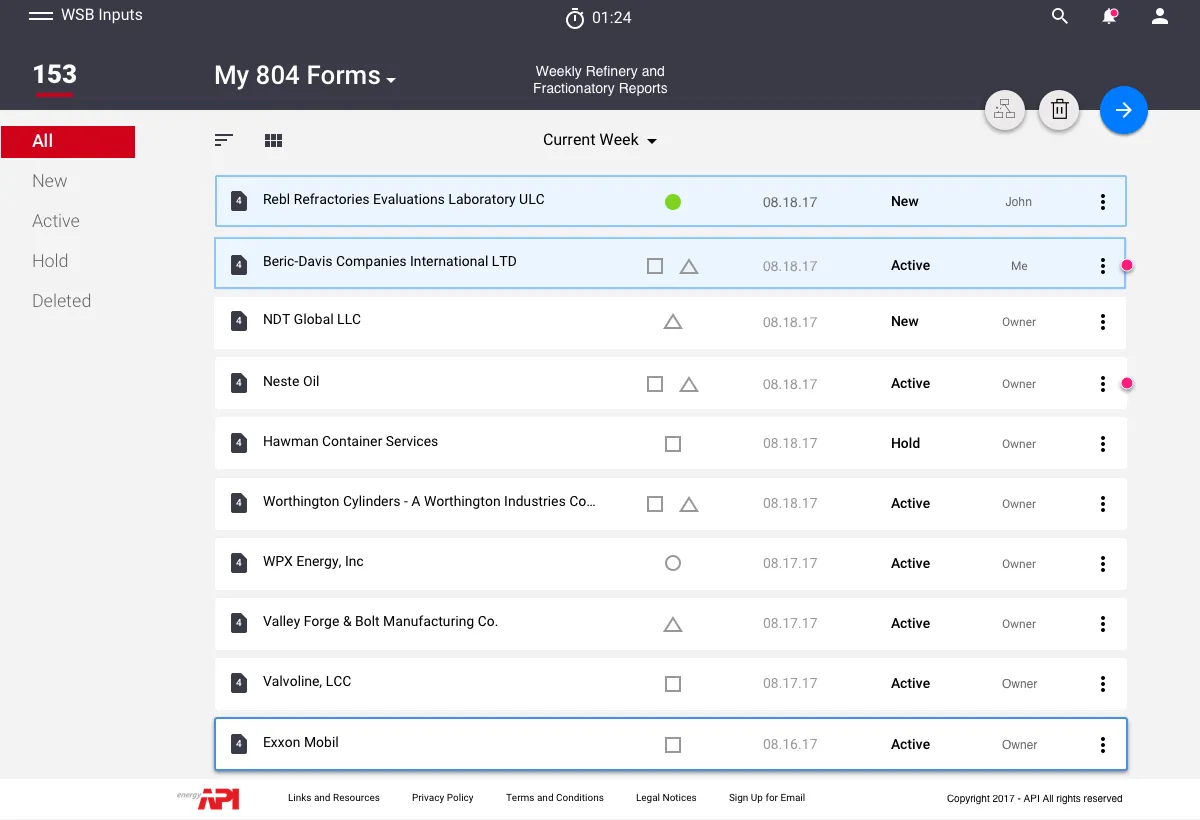
Reimagined Inbox – Provides API analysts a structured, efficient, and automated approach for reviewing, approving, and interacting with form submissions
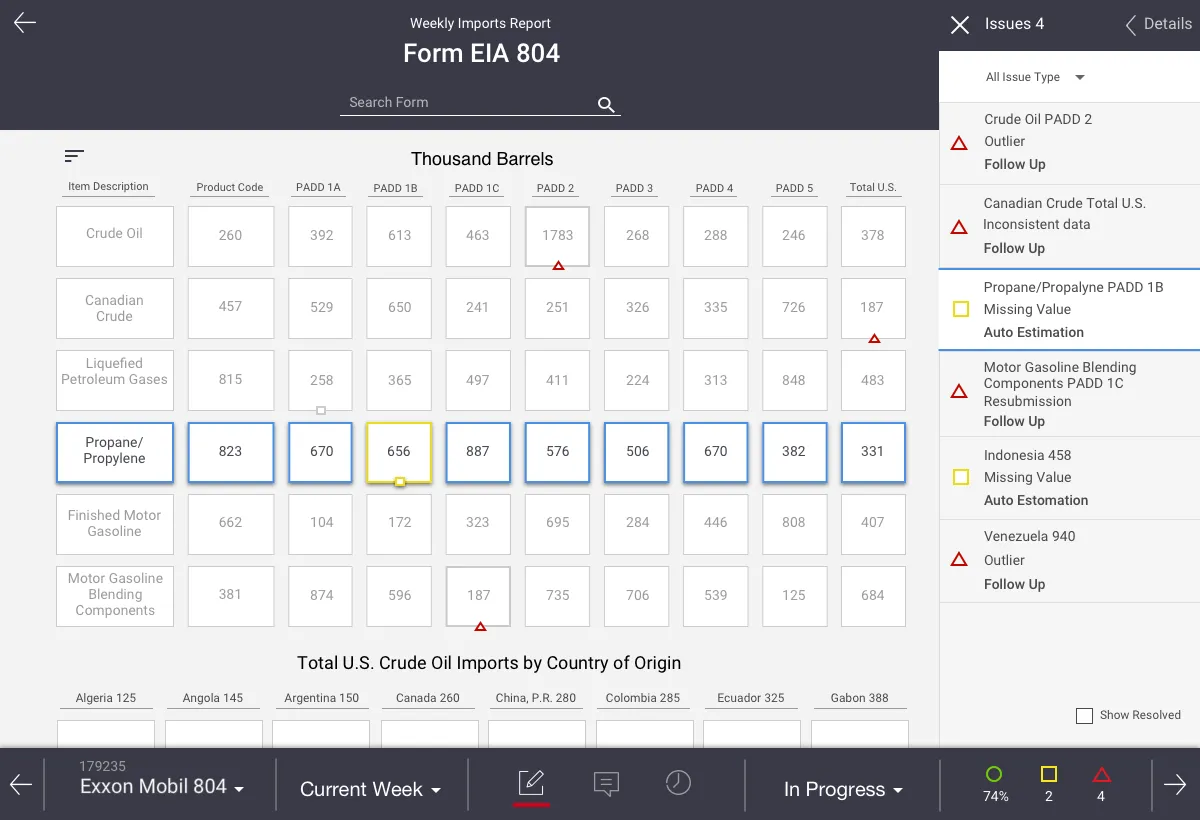
Easily switch between Edit, Communication, and Version Control modes to access more functionalities.
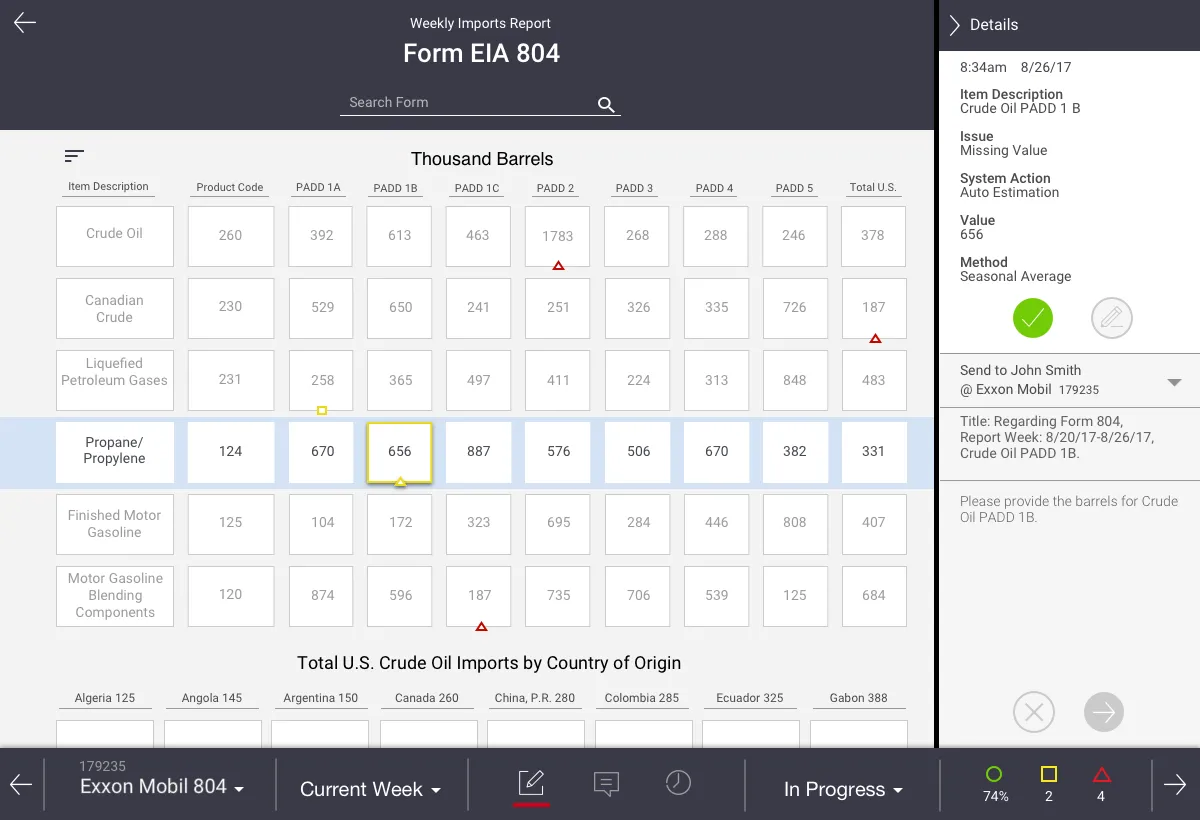
Edit mode provides details of artificial intelligence’s action. Analysts can approve or deny a form value, or send message to the company correspondent directly without leaving the interface.
WSB Report Form – Provides analysts an interactive dashboard to approve, edit, and navigate through reports
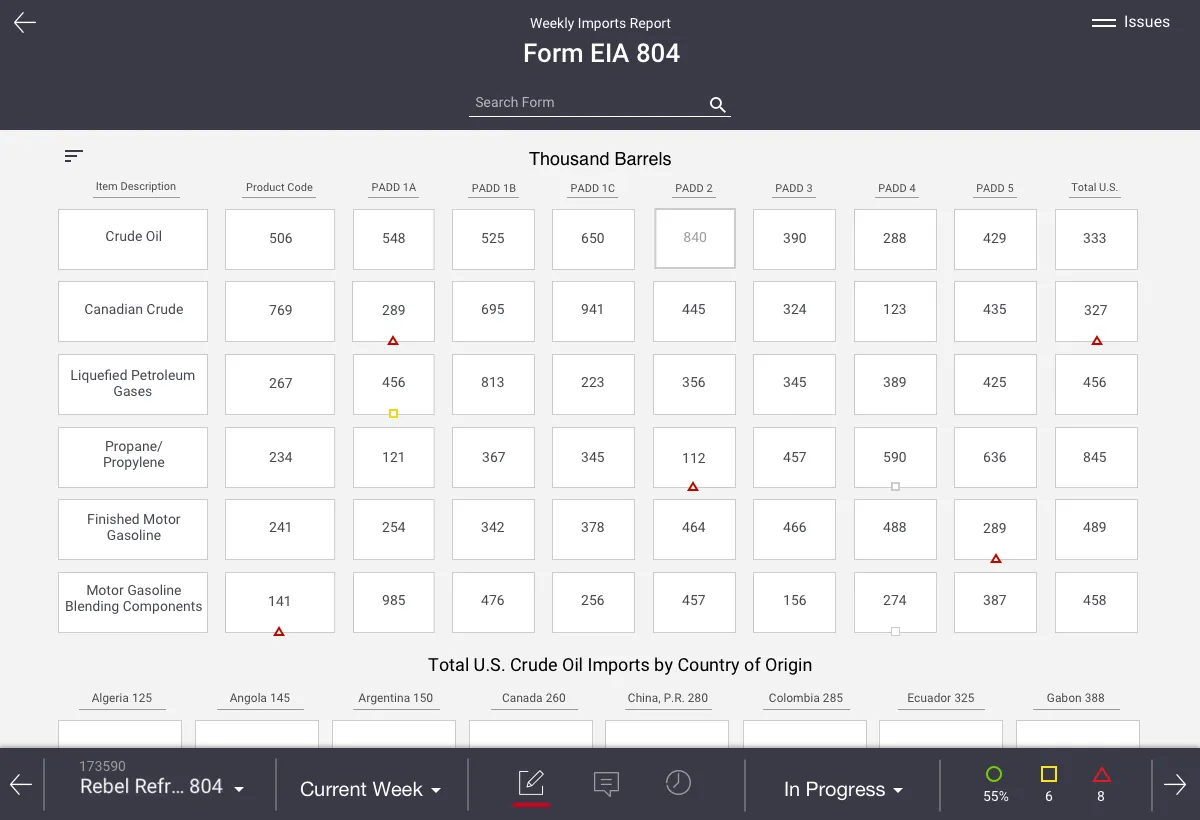
Main Screen Design for the API data review and validation process